A garage door is one of those household systems that disappears into the background until it stops working properly. When it hesitates halfway down, rattles more than usual, or refuses to respond to the remote, the disruption is immediate. You feel it in the daily routine, in security concerns, and in the simple annoyance of having to stop everything and figure out what has gone wrong.
Most garage door problems do not start as dramatic failures. They begin with small changes that are easy to ignore. The door may look slightly uneven. The motor may strain a little more than it used to. The close cycle may become unreliable on humid days, or the remote may work only after two or three attempts. In many homes, those symptoms linger for weeks before anyone books a service call. By that point, a minor adjustment can turn into a larger repair.
That is why expert repair and regular servicing matter. A trained technician is not just there to get the door moving again. Good service restores safe operation, checks whether components are wearing together properly, and helps prevent the same fault from returning in a few months. In places like the Gold Coast, where salt air, humidity, and heat can affect garage-door hardware, that preventative side of the work becomes even more important.
What usually goes wrong, and why it rarely stays small
Garage doors are simple to use, but they are not simple systems. The door itself, the spring setup, the tracks, the motor, and the remotes all depend on each other. Trouble in one area often shows up somewhere else first.
Take a door that feels heavy or moves unevenly. To a homeowner, that may look like a motor problem. In practice, it can point to a balance issue, a worn spring, or a door that is no longer tracking cleanly. The same is true when a garage door not closing properly becomes the main complaint. The instinct is often to blame the opener, yet the underlying problem may involve alignment, wear, or multiple components working less efficiently together.
This is where experience matters. A technician who handles repairs every day knows that the obvious symptom is not always the real fault. That judgment saves time and often saves money, because it reduces the chance of replacing the wrong part first.
On the Gold Coast, the environment adds another layer. Coastal conditions are hard on hardware over time. Salt air, humidity, and heat can all contribute to faster wear and more frequent maintenance needs. That does not mean every door in the area is headed for constant trouble. It does mean routine attention tends to pay off more clearly than it might in milder conditions.
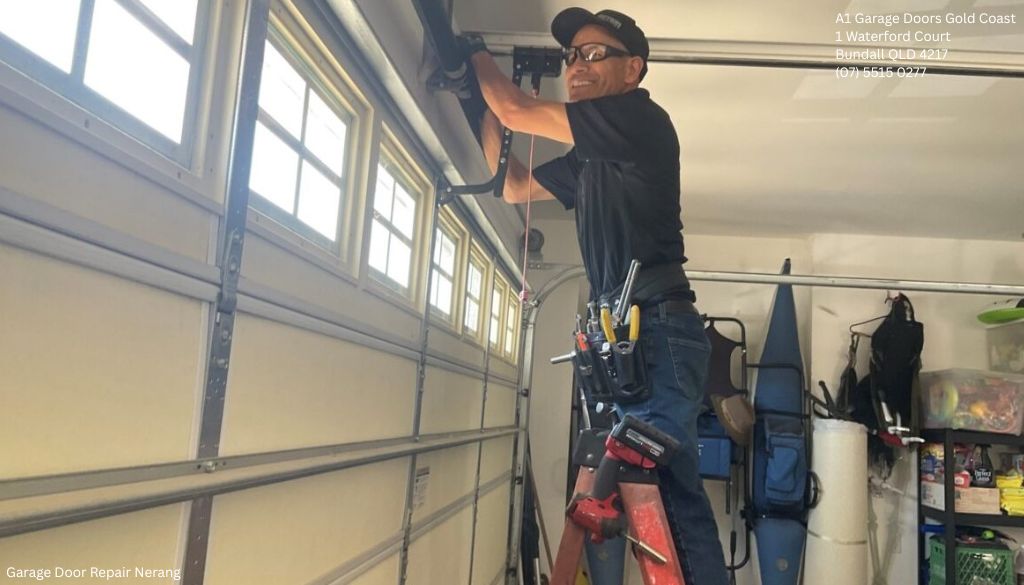
When a door stops closing properly
Few faults are as frustrating as a garage door not closing properly. The door starts down, pauses, reverses, or reaches the floor without settling the way it should. Sometimes this happens consistently. Other times it appears to come and go, which can make the issue harder for a homeowner to describe.
In service work, inconsistency is often the clue that makes the job interesting. A door that fails every single time can be easier to diagnose than one that works fine in the morning and acts up later in the day. Variable performance can suggest wear, shifting alignment, or conditions affecting how parts move together.
Garage door alignment is a common area to inspect when the close cycle becomes unreliable. If the door is not running true, the strain tends to show up in operation. The motor may sound as if it is working harder. The movement may no longer look smooth from side to side. In some cases the issue is subtle enough that homeowners only notice it after a technician points it out and runs the door through a full cycle.
That is one reason professional servicing is valuable even when the door is still technically working. A technician can spot the beginning of misalignment before it turns into a jam, a breakdown, or excessive wear on other parts of the system.
Why spring problems deserve respect
Some garage door issues tempt people into a weekend repair attempt. Springs should not be one of them.
Industry and safety guidance are clear on this point. Garage door springs are under high tension, and adjusting or repairing them without proper tools and training is dangerous. This is not a case of a simple home fix gone slightly wrong. A spring system stores force, and mishandling it can lead to serious injury.
When a spring breaks, many homeowners focus on the failed part they can see and ask whether only that one spring can be replaced. In some cases, technicians recommend replacing both springs because they usually wear at a similar rate. A matched set helps maintain proper balance, while mismatched springs can create new balance problems. That is the kind of decision that looks small on paper and makes a real difference in how the door performs afterward.
The practical lesson is straightforward. If a spring is suspected, the job belongs to a professional. Expert repair is not just about convenience here. It is about safety and about restoring the correct balance of the whole door system.
Garage door opener repair is often only part of the story
Homeowners commonly describe any automatic door problem as a motor problem. That makes sense from the user side. You press a remote, the opener is the thing you expect to respond, and when it does not, the opener becomes the natural suspect.
Garage door opener repair is certainly a standard part of garage door service. In the Gold Coast market, businesses commonly handle motor repairs, motor replacement, remote issues, and automation upgrades for existing garage doors. That gives owners options. A failing opener may be repairable, or it may make more sense to replace or upgrade it, depending on the condition of the rest of the system and how the door is being used.
Still, the opener should be seen in context. If the door itself is unbalanced, misaligned, or dragging through its travel, the motor may be reacting to those conditions rather than causing them. Replacing an opener without addressing the underlying strain can leave the owner with a new unit attached to an old problem.
This is another area where practical experience matters more than guesswork. A good technician does not just ask whether the motor runs. They look at the full operation of the door. Does it travel evenly. Does it sound strained. Is the system behaving consistently. Are the remotes part of the issue, or is the problem deeper in the door mechanics. That broader view is what separates a quick patch from a proper fix garage door service.
The role of alignment in smooth and safe operation
Garage door alignment sounds like a technical detail, but in real-world use it often becomes the difference between a door that glides and a door that fights itself every day.
When alignment is off, the symptoms can be surprisingly varied. One owner may notice noise first. Another may notice a slow, uneven close. Someone else may think the remote is unreliable because the motor sometimes stops before the door finishes its cycle. All of those experiences can trace back to a door that is no longer moving as cleanly as it should.
In service calls, alignment work often has an outsized effect on performance. Sometimes the owner expects a major component replacement and instead sees a marked improvement from careful adjustment and inspection. Other times, alignment issues reveal a larger repair need. The value lies in knowing the difference. Overcorrecting can be wasteful, and undercorrecting can leave the door vulnerable to the next failure.
Because doors, tracks, springs, and motors influence each other, garage door alignment is rarely just a cosmetic concern. It affects function, wear, and reliability. That is why it belongs in a professional service conversation, not just in a quick visual check from the driveway.
What expert servicing actually helps prevent
Regular servicing can sound optional garage door resource when the door is opening and closing well enough. In practice, it is one of the easiest ways to reduce the chance of a sudden breakdown.
At least one Gold Coast garage-door business recommends professional servicing every 12 months to help prevent breakdowns and extend the life of the door and motor. That recommendation is sensible in a coastal environment where heat, humidity, and salt air can all work against moving hardware over time.
A proper annual service is not only about finding what is broken. It is about checking how the door is aging. Components rarely wear in isolation. Small changes in movement, balance, or response can signal the beginning of a problem long before the owner experiences a full stoppage.
An annual visit also creates a more useful maintenance history. When a technician has seen the door before, they are better placed to notice what has changed. That context is valuable. A new noise means one thing on a recently serviced door and something else on a neglected system with several worn components. Patterns matter.
Repairs, replacements, and the judgment call between them
Not every garage door problem should be solved the same way. Sometimes a targeted repair is the smart move. Sometimes a replacement part gives better value and better reliability. The trick is knowing which path matches the actual condition of the system.
Motor issues are a good example. Since Gold Coast garage-door businesses commonly offer motor replacement and automation upgrades, owners may be tempted to jump straight to installing something new. That can be the right choice in some cases, particularly if the opener is no longer dependable and the rest of the door is in good order. But if the opener is struggling because the commercial garage door repair door itself is poorly balanced or misaligned, replacement alone may not solve the frustration.
Spring work raises a different kind of judgment call. A single visible failure may suggest a single-part repair, but because springs often wear similarly, replacing both can be the sounder long-term decision. It is not about upselling for the sake of it. It is about restoring proper balance and reducing the risk of uneven operation afterward.
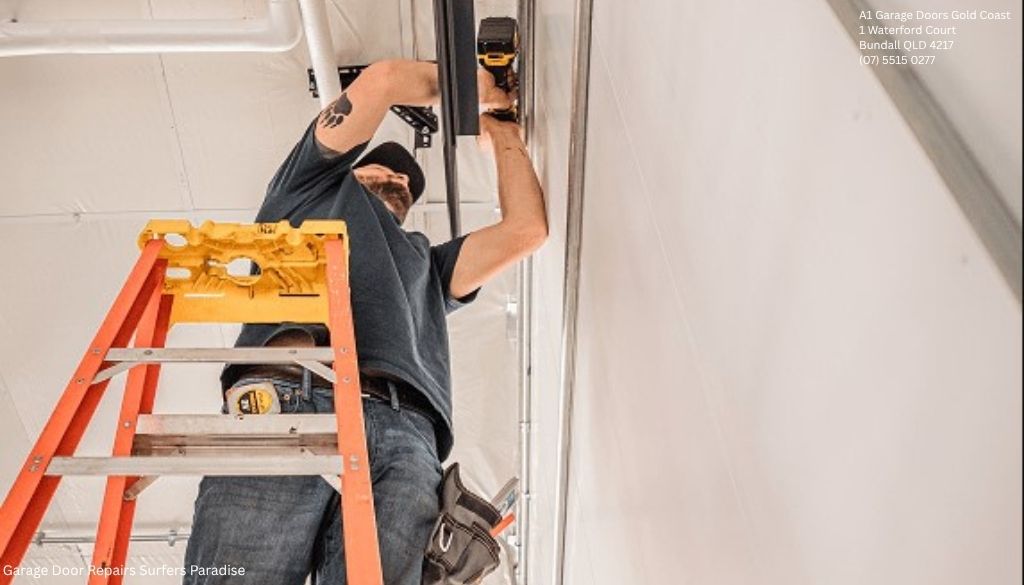
This is where owners benefit from asking one practical question: are we fixing the symptom, or are we fixing the cause? The best service calls answer both.
Signs it is time to stop troubleshooting and call a professional
Many people can spot that something is wrong, but they are less sure when the issue has crossed the line from inconvenience into a job that needs expert attention. A few signs make that decision easier.
- The door is not closing properly, especially if it reverses, stops halfway, or behaves inconsistently. The door looks uneven or seems to move out of line, which can point to garage door alignment problems. The motor or remote operation has become unreliable, suggesting a need for garage door opener repair or broader system diagnosis. A spring appears broken or a spring problem is suspected in any way. The door has not been professionally serviced in around 12 months, particularly in coastal conditions.
That last point often gets overlooked because it does not feel urgent. Yet delayed maintenance is one of the main reasons a small issue has time to grow into a larger one.
What a homeowner can do, and what should be left alone
There is a sensible middle ground between ignoring a problem and trying to dismantle the whole system yourself. Homeowners can pay attention to changes, describe symptoms clearly, and arrange service before the problem worsens. That sounds basic, but it genuinely helps. A technician can diagnose more efficiently when the owner can explain whether the issue is constant or occasional, whether it affects opening, closing, or both, and whether the problem involves the remote, the motor sound, or the door movement itself.
What homeowners should not do is attempt high-risk repairs, especially on springs. Safety guidance exists for a reason. The force involved is significant, and improper handling can be dangerous.
Another common mistake is assuming that if the door still moves, the issue can wait indefinitely. A door that is technically operational can still be under strain. That strain tends to spread wear through the system. Waiting may not turn a minor issue into a catastrophic one every time, but it does raise the chance that the eventual repair becomes broader and more disruptive.
The local factor on the Gold Coast
Garage doors do not operate in a vacuum. The local climate and environment shape how often they need attention and what kinds of wear are most likely to appear over time.
On the Gold Coast, service providers note that salt air, humidity, and heat can affect garage-door hardware and may increase maintenance needs. This is not a dramatic claim, and it should not be read as a guarantee of failure. It is simply part of the operating reality for doors exposed to coastal conditions. The environment can be harder on components, which makes routine inspection and timely repairs more worthwhile.
This local factor also explains why servicing is not just a generic recommendation. In one region, a long gap between service visits may pass without much trouble. In another, that same gap may allow wear and corrosion-related issues to build more quickly. Context matters.
For owners in the Gold Coast area, that means it is wise to treat maintenance as part of ownership rather than as a response to breakdowns alone.
What to expect from a proper service visit
A strong garage door service call should leave the owner with more than a moving door. It should provide clarity. You want to know what was wrong, whether other components are showing signs of wear, and whether the repair completed today is likely to hold up well.
In practical terms, garage door services in the Gold Coast commonly include repairs, servicing, installations, and replacement of components such as motors, remotes, and springs. That range matters because it allows the technician to respond to what the door actually needs rather than forcing every problem into one narrow solution.
A useful service visit often includes a conversation about condition as well as repair. If the issue was opener-related, the technician may explain whether garage door opener repair is enough or whether replacement is worth considering. If the door showed balance concerns, the discussion may turn to spring condition and whether matched replacement is advisable. If movement looked uneven, garage door alignment becomes part of the service picture, not an afterthought.
For the homeowner, that kind of explanation is valuable. It turns the repair from a one-off event into a clearer maintenance decision.
A practical way to think about garage door care
The simplest approach is not to wait for total failure. Garage doors usually give some warning, though the warning may be subtle. A slightly crooked travel path, a close cycle that no longer feels smooth, a motor that sounds more labored than before, or a remote issue that keeps recurring can all be early signs worth acting on.
If the door needs attention, the goal should be to fix garage door problems at the cause, not just quiet the symptom for a few weeks. That is the difference between a temporary workaround and a repair that restores dependable operation.
A sensible routine looks like this:
- Notice changes early and do not dismiss repeated odd behavior as random. Book professional service if the door is not closing properly, looks misaligned, or shows motor or remote trouble. Treat any spring issue as a professional-only repair. Plan on servicing roughly every 12 months, especially in the Gold Coast climate. Ask whether the recommended work addresses the root cause, not just the most visible symptom.
That framework is not complicated, but it is effective. It respects both safety and practicality.
A garage door earns its keep by working quietly and consistently in the background. When it stops doing that, expert repair and servicing are not luxuries. They are how you restore normal use, protect the life of the door and motor, and avoid letting a manageable issue become something more expensive and disruptive. For homeowners dealing with alignment trouble, opener faults, spring concerns, or a garage door not closing properly, the most reliable next step is not guesswork. It is experienced service grounded in the way these systems actually behave over time.